This blog documents a parallel design studio between ETSA, Madrid and INDA, Bangkok, during the academic year of 2015-16.
The topic of this collaboration is Amphibious Architecture - a research in the context of wetlands situated in both countries.
In the first semester, the projects was situated in Spain, and in the second semester, the site is in Thailand.
Monday, 2 May 2016
Didactic Inter-Tides
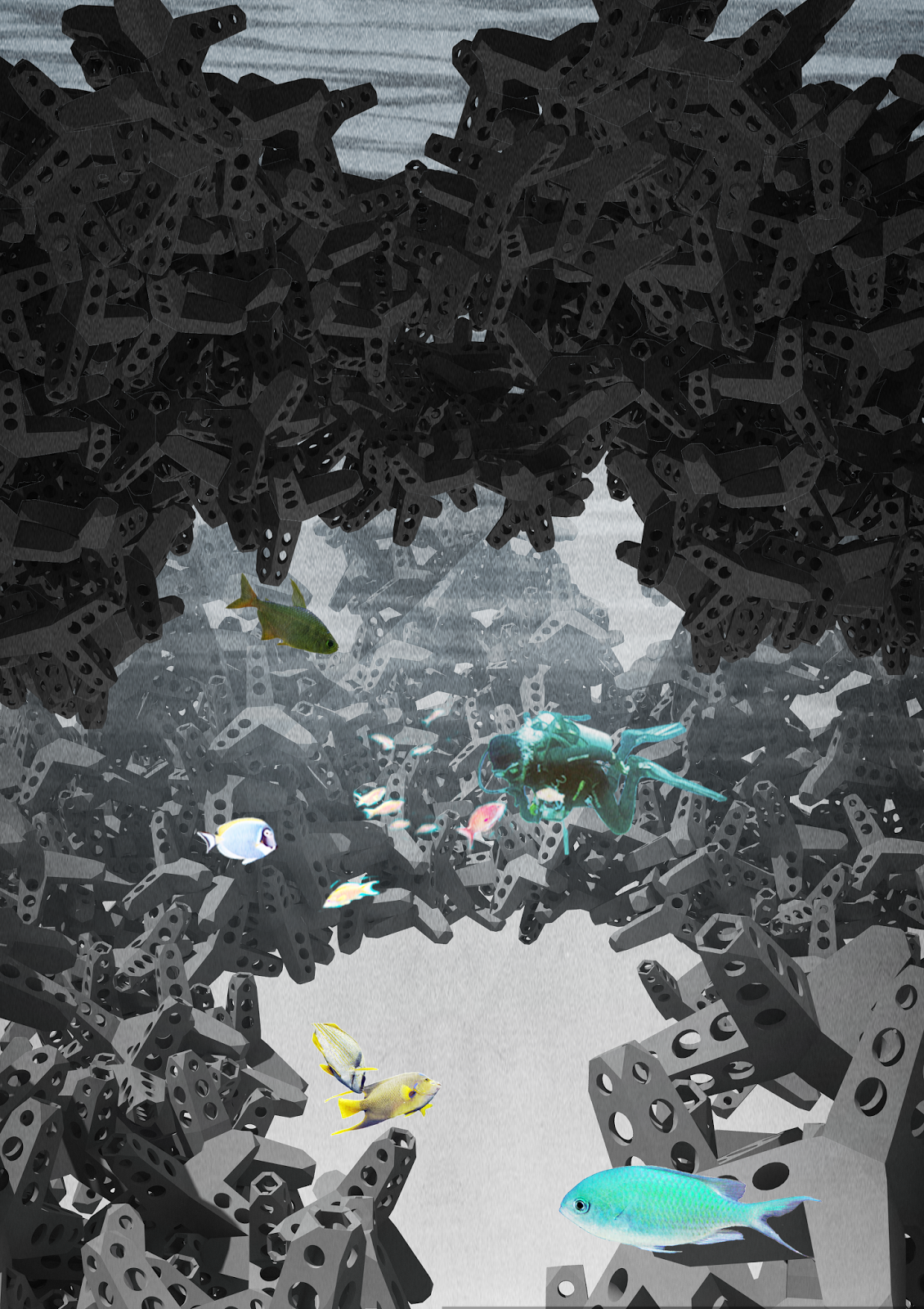
A didactic architecture that encourages users to be aware of the ecological significances intertidal species including oyster, mangrove tree, etc , and let them understand the researching and farming processes through different spatial experiences created by level of tidal change.
A research center, operated within an existing oyster farm, aims for experimenting on the process of oyster’ adhesion and shares all the findings and farming techniques from both researcher and farmer out among local community. As oyster farmers do their harvest during low tide when the oyster is exposed from the water which is the same period of time that researcher also be able to observes the oyster’s adhesion. so, basically, both researching and farming activities are activated by tide not time. Creating a space that is adaptable along with tidal change allows the users to experiences the change of activities along with the tide.
Initial Research
Modular Typologies & Materiality
Connection& Expansion - Crossover Typologies
Program Formation - Context - Master Plan
Massing
Oyster Adhesion Lab & Reef Forming
Oyster Bar & Oyster Stock Room
Recreational Area (Mangrove Plantation)
Kanum Observing Area & Core Observatory Tower
Experiential Renderings
Tapi Urban Wetland
My project proposes an integration of wastewater treatment
system through constructed wetland that treat Surat Thani municipal wastewater
at Tapi Riverfront area. The riverfront urban wetland not only purify water but
also provide public program that benefit the community and becoming a landmark
where different public activities can interact with each other recreating new
connection and relationship between people and the Tapi River.
Sunday, 1 May 2016
Soft proposal : Adaptive Fabric Simulation
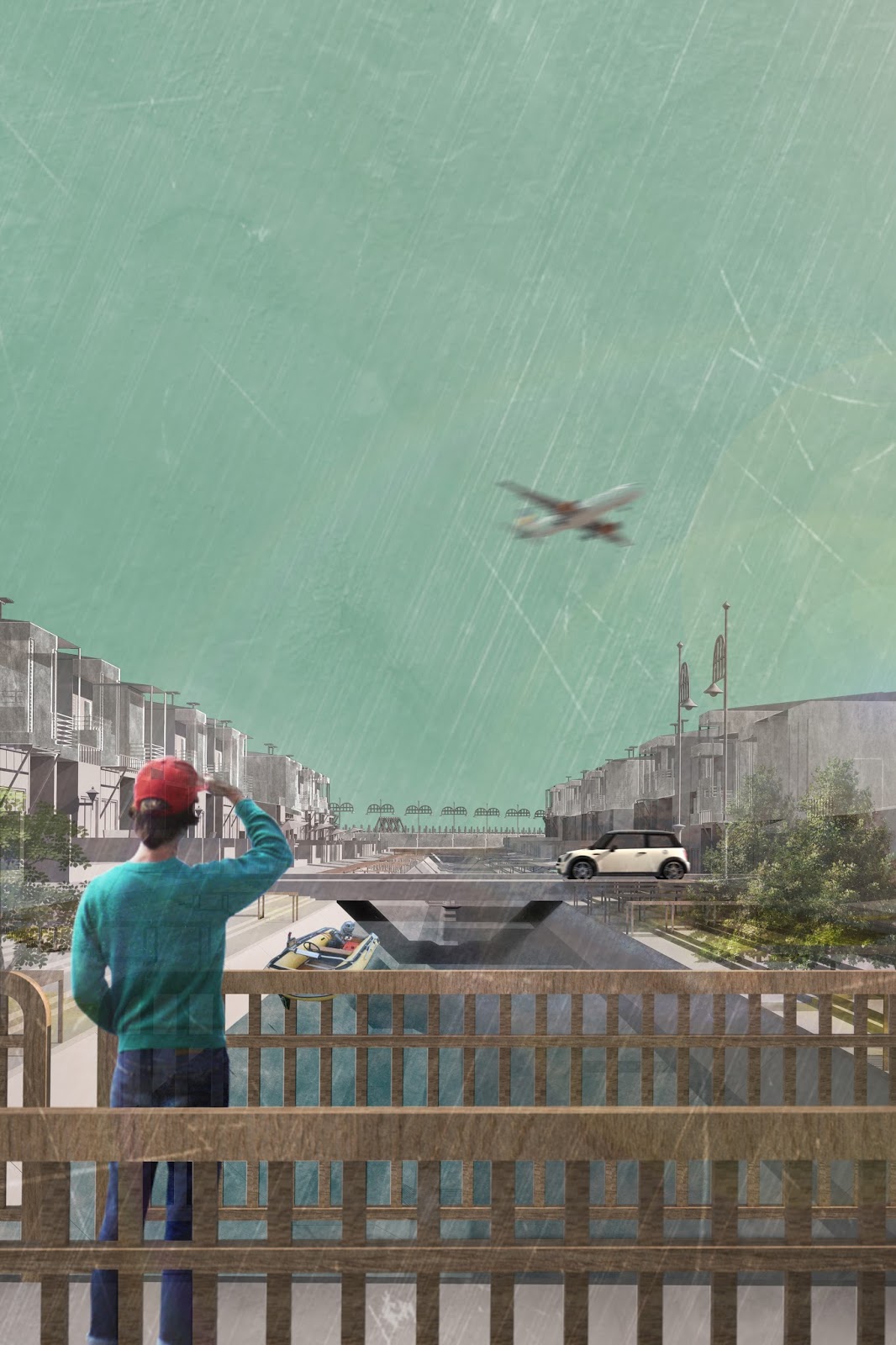
Contradicting to the traditional methods of how land has been protected from coastal
waters using hard edge solutions, the project challenges the possibility of implanting a soft
system strategy for Bandon Bay coastal urban fabric. The project proposes to use
different degrees of gradient water management strategies to allow for adaptation
and integration of both current urban conditions and on-going coastal industries. The system
would provide new ways people could interact with the water to accommodate for the rising sea level.
Base on in-depth analysis of pre-existing local industry and local lifestyle. The project introduces
a re envisioned urban plan that not only allows for continued existence of urban zones
on the new water condition but will also be able to maintain and facilitate the for
the existing urban behavior by manipulating and redesigning and adaptable urban fabric.

Monday, 21 March 2016
Tuesday, 1 March 2016
Subscribe to:
Posts
(
Atom
)